
If you’re ready to step up to Australia’s largest road combinations (B-doubles, road trains), this guide walks you through the Sydney-specific path from HR/HC to MC — without fluff. Start by checking you’re eligible, then book training that targets the HVCBA tasks you’ll actually be assessed on. When you’re set to upgrade to an MC driver’s licence with a plan that fits your roster and budget.
What an MC licence lets you drive
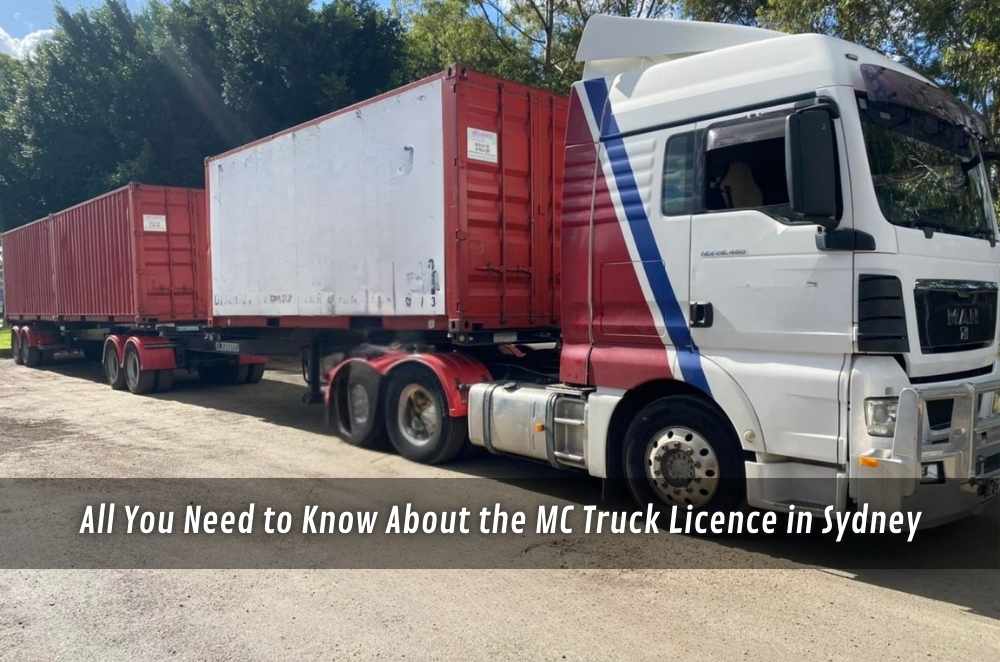
A Multi-Combination (MC) licence authorises you to drive:
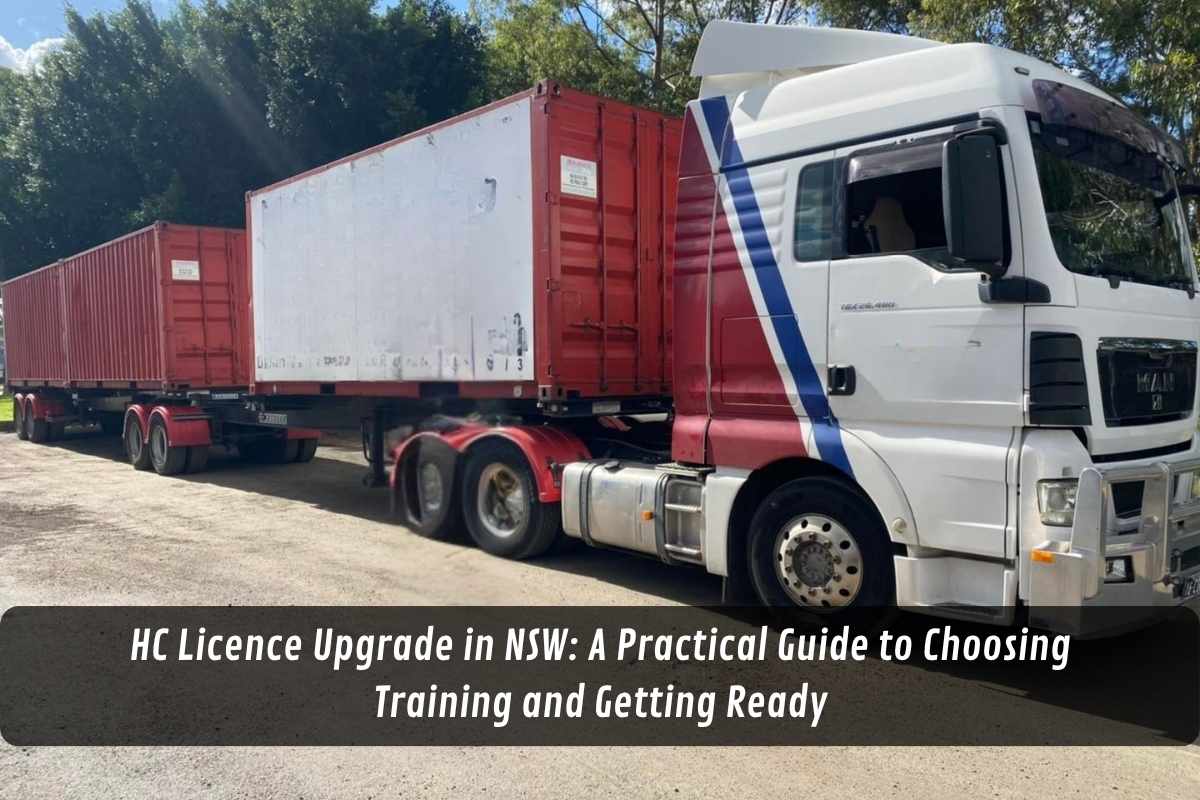
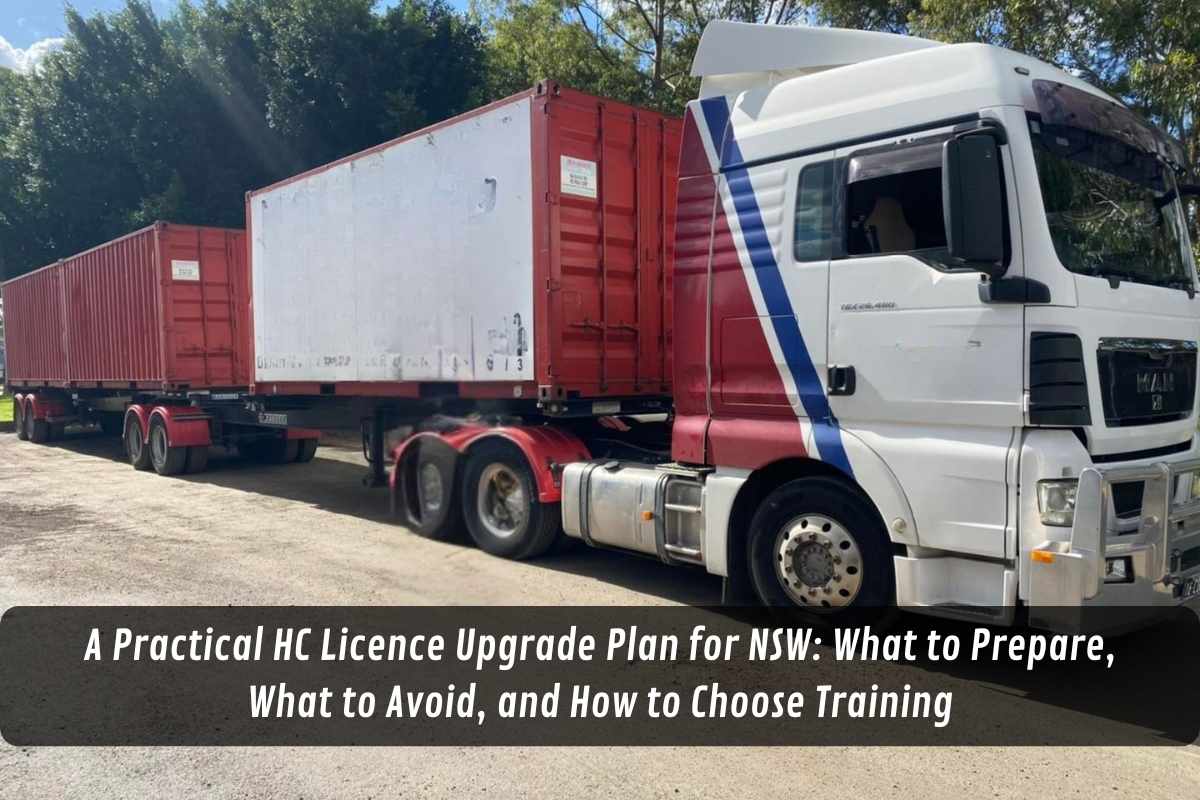
B-doubles and road trains
Any heavy vehicle combination with more than one trailer
It’s the top tier for articulated combinations. In the Sydney market, that typically means linehaul, interstate, or specialised local roles where second trailers and complex backing are the norm.
Eligibility at a glance (NSW context)
To be assessed for MC in NSW, you’ll generally need:
A current HR or HC licence held for at least the required minimum period
A valid medical standard for the class (if applicable)
To complete training and assessment under the Heavy Vehicle Competency Based Assessment (HVCBA) framework with an approved assessor
For official steps, fees, and prerequisites, see truck driving licence — it’s the current NSW process page that you’ll ultimately follow.
The HVCBA path explained (so you don’t spin your wheels)
Unlike a simple test day, the HVCBA pathway breaks the licence into discrete tasks and criteria you must demonstrate competently. Typical MC competencies include:
Advanced coupling/uncoupling for converter dollies and second trailers
Complex reversing (straight line and into docks/lanes with a second pivot)
Road craft at heavy mass with longer stopping distances
Load and route planning in urban choke points (Sydney clearways, tunnels, curfews)
Your assessor will sign off on each module as you demonstrate it to standard. Once you complete the logbook and receive a certificate of competency, you finalise the upgrade with Service NSW.
Training day structure (what a good provider does)
A focused MC course should look something like this:
Safety and vehicle briefing — defects, air, lights, connections, ABS/EBS checks.
Yard drills — coupling/uncoupling, tug tests, lines/plug checks, dollies, landing legs.
Reversing patterns — teachable references for “second pivot thinking”, mirror discipline, small corrective inputs.
On-road coaching — cornering lines for long sets, hazard anticipation, following distances, rolling speed management.
HVCBA assessment blocks — chunked sign-offs, not a mystery one-shot exam.
A quick real-world note
On my last Sydney MC upgrade day, shadowing a trainee, the turning point was learning reference points for the second trailer: treat the dolly like a hinge, pause the correction, then “hold” to stop the snake. Once that clicked, their dock approach went from six pull-ups to two.
How long does it take (and what affects it)
Plan on a full day of coaching and assessments if you’re stepping up directly from confident HC recency. Add time if:
You’re jumping from HR with limited multi-pivot reversing
You haven’t coupled a converter dolly before
You need medical or paperwork clearances
Pro tip: book your course when you’re fresh (not after a night shift). Fatigue wrecks fine motor control during reversing.
Costs and what you’re paying for
Expect a course price that bundles:
Trainer/assessor time
Vehicle hire (prime mover, trailers, dolly) and fuel
HVCBA logbook/administration
Assessment attempts (check inclusion/retake fees)
You’ll pay Service NSW for licence issue fees separately. Clarify inclusions up front so you’re not surprised by re-assessment costs.
Skills that separate pass from “almost there”
Slow hands, fast eyes. Micro-steer, then wait; avoid overcorrection that starts a swing.
Mirror rhythm. Count a beat between mirror checks; don’t stare at just one.
Set-ups beat hero moves. Good reversing starts with trailer angle and yard position.
Route scanning. Sydney’s clearways, bus lanes, and low bridges punish inattention; plan manoeuvres early.
I’ve seen strong HR drivers stumble by “chasing the trailer” with quick, big inputs. In MC, calmer, smaller corrections win.
Common mistakes (and how to dodge them)
Rushing coupling. Missed tug tests or lazy air line checks are instant no-gos. Use a repeatable sequence.
Blindside reversing first. If you can, reposition to a nearside view; it’s not a test of bravery.
Ignoring trailer swing. Long sets need deeper turns and earlier setups through tight Sydney streets.
Not communicating. Use hazards, worksite radios, and eye contact with spotters.
Booking strategy for Sydney drivers
Pick weekday traffic windows. Mid-morning to early afternoon gives you real traffic without peak chaos.
Bring recent seat time. If you’ve been off heavy vehicles for a while, take a short HC refresher first.
Ask for yard access. Extra reversing practice the day before pays off more than an extra hour on the road.
Confirm the truck spec. Know whether you’ll be assessed in an auto or a road ranger, and train accordingly.
Medicals, gear and paperwork checklist
Photo ID, current HR/HC licence, and any Service NSW forms your school requests
Glasses/contact lenses if required; declare any recent medical changes
Steel-cap boots, Hi-Vis, gloves (yard work), weather-appropriate layers
Water, snacks, sunscreen — Sydney yards get brutally hot
Career outcomes (why MC is worth the effort)
The MC opens doors (and pay bands) in:
Linehaul/interstate work with B-doubles
Road train operations (where allowed)
Heavy specialist roles — equipment moves, bulk commodities, fuel (with added training)
Plenty of Sydney operators want MC drivers who can run hot spots, docks, and tight metro industrial estates without panel damage. Your first months are about clean records and predictable driving — that’s what dispatchers value.
Quick FAQ
Can I jump to MC straight from HR?
Yes, provided you meet NSW’s eligibility and competency requirements; many drivers build HC recency first, so the second-pivot learning curve isn’t steep.
Manual vs auto for the assessment?
Match the gearbox you’ll use at work. If your job runs autos, assess in one if you’ll be in a crash-box, train and assess in that.
What if I fail a task?
HVCBA lets you reattempt specific competencies. Ask your provider about retake fees and scheduling.
Where to link out (and what to read next)
For an on-the-ground course overview and dates, start with the MC Licence.
For the official NSW steps, documents and eligibility, see truck driving licence.
Planning your training path? Keep this internal link placeholder ready for a selection guide: truck driving school.
And if you’d like an external, non-competing explainer on the stepping stone most drivers take first, save: heavy rigid licence.



Write a comment ...